Roof gear is handy for skis, kayaks, and vacation overflow, but the extra hardware changes how your SUV slices through the air. Add a box or crossbars, and you increase drag, which means the engine works harder at the same speed. Our technicians see the pattern every travel season around Seattle: great cargo capacity, fewer miles per gallon.
The goal is not to ditch the rack, it is to set it up smart so you keep more of your fuel economy.
Why Aerodynamics Matters More Than Weight
Most drivers think added weight hurts mpg the most. Around town, weight does matter. On the highway, air resistance is the big one. A bare roof is smooth and lets air reattach behind the windshield. Crossbars, baskets, and boxes disturb that flow and create turbulence. The higher and squarer the load, the more drag you add, which is why a low, tapered box costs less fuel than a tall basket loaded with bulky bags.
How Much MPG Can You Lose
Real numbers vary with speed and shape. A box or basket can trim several mpg off a typical SUV at 60 to 70 mph. An empty set of crossbars still costs something, because the wind never stops pushing. You will feel the effect most on long highway runs, in headwinds, and on climbs into the Cascades. In city driving, the penalty is smaller, but the noise and buffeting at speed tell you the engine is paying for the extra wind load.
Speed, Wind, and Weather Make a Big Difference
Air resistance rises quickly as speed climbs. Ten mph faster can feel like a bigger engine load even with cruise control holding steady. Strong onshore winds or gusts funneling between buildings increase the penalty and can nudge the steering. Rain and wet roads add rolling resistance and make the rack whistle a bit more. If you are planning a long trip, holding at the lower end of the fast lane and smoothing throttle inputs helps recover some range.
Know Your Roof Load Limits
Every SUV has a roof dynamic weight rating and often a separate static rating for parked use. Exceeding the dynamic number risks handling problems, extra body roll, or damaged mounting points. Keep heavy items inside the cabin down low and use the roof for lighter, bulky gear. Spread the load evenly in the box and confirm the lid latches fully. For kayaks and skis, use bow and stern tie downs so the rack is not carrying every gust by itself.
Setup Tips That Save Fuel Without Giving Up Space
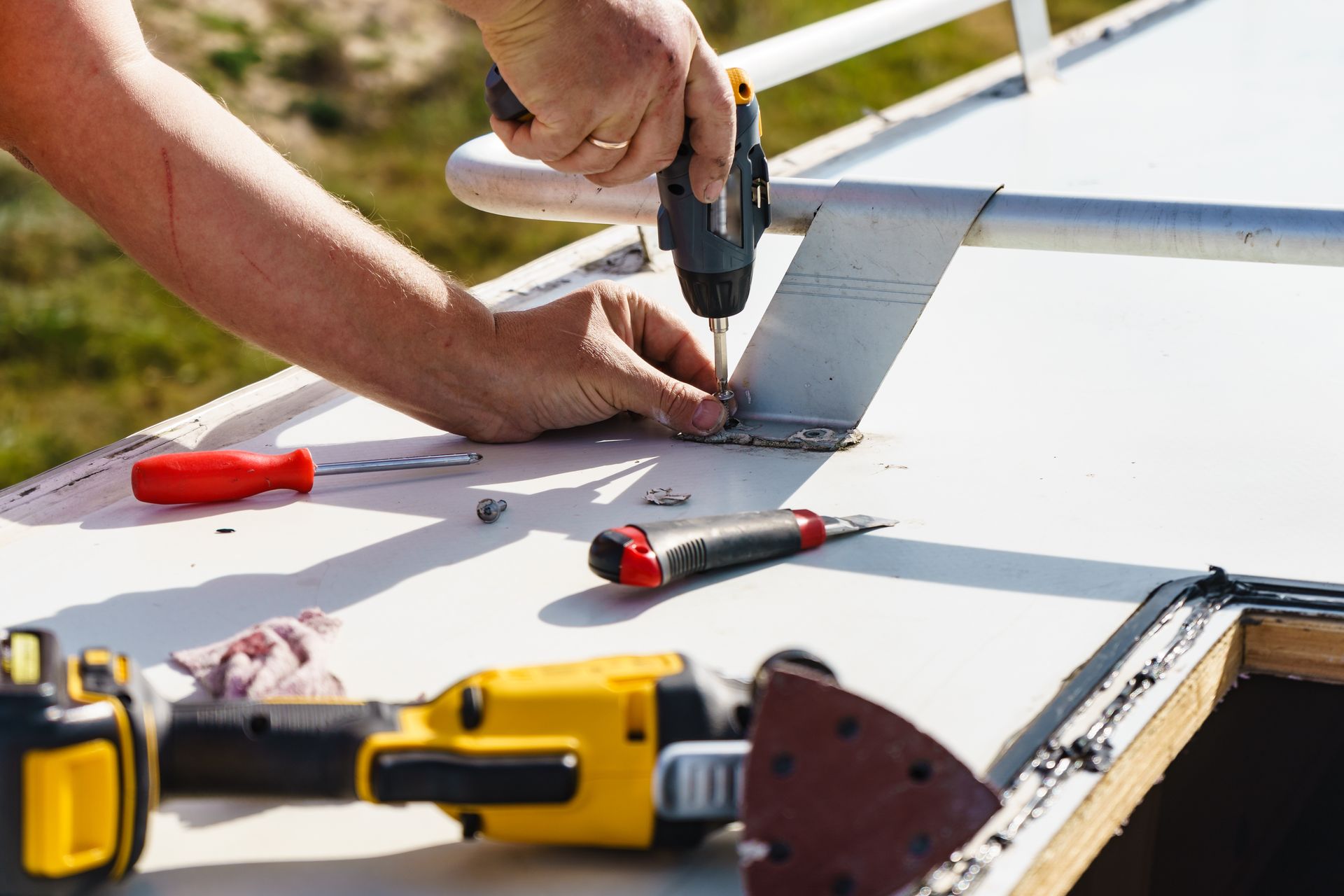
Small choices add up. Mount crossbars as low as your system allows and keep spacing matched to the box maker’s spec so the nose sits level. If your box can slide, try positioning it slightly rearward to reduce the blunt area in the airstream, while preserving hatch clearance. Remove the whole system when you no longer need it. For soft cargo, a rear hitch tray or cargo box often costs less fuel than a tall roof setup, and it makes loading easier for many families.
Tires, Alignment, and Maintenance
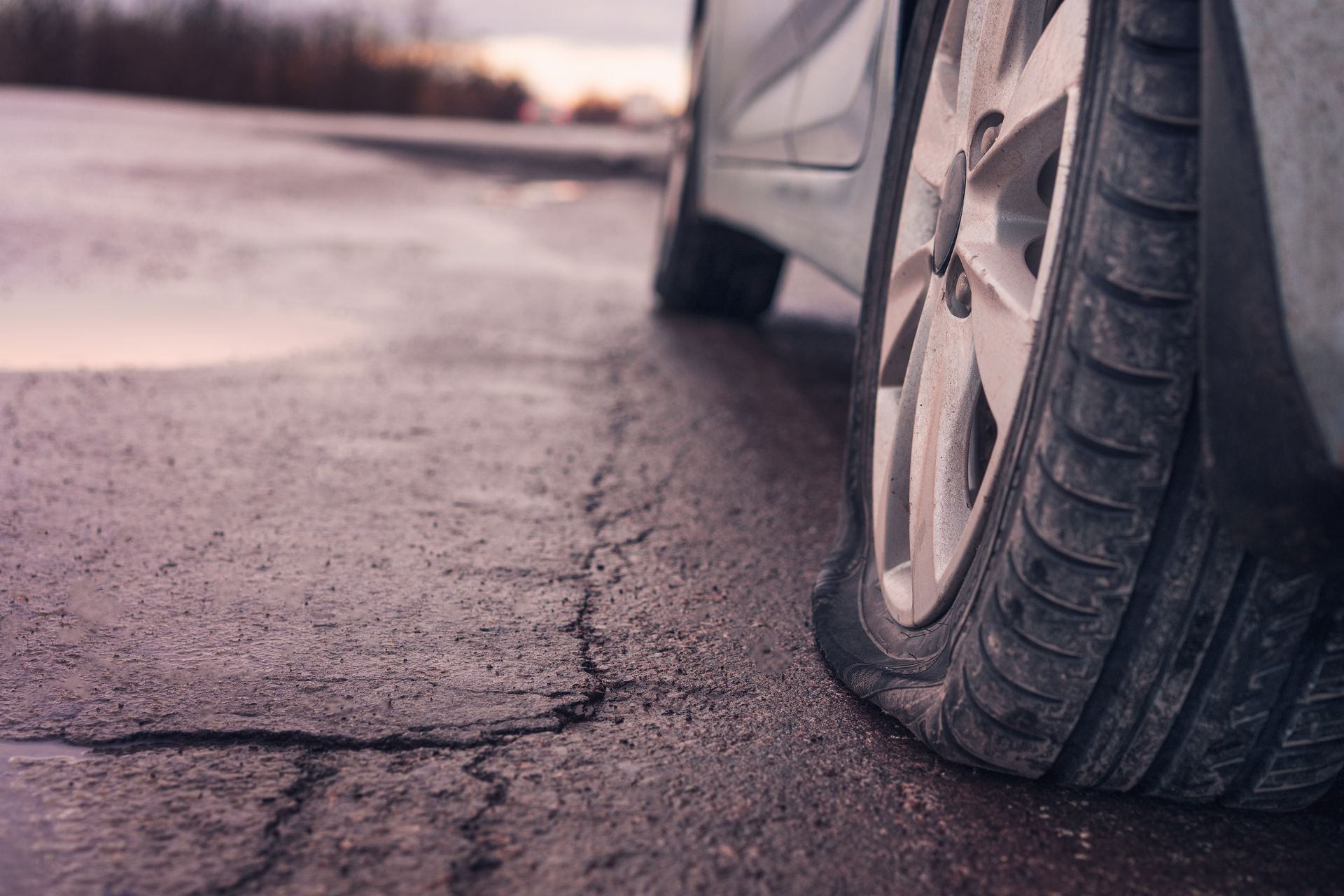
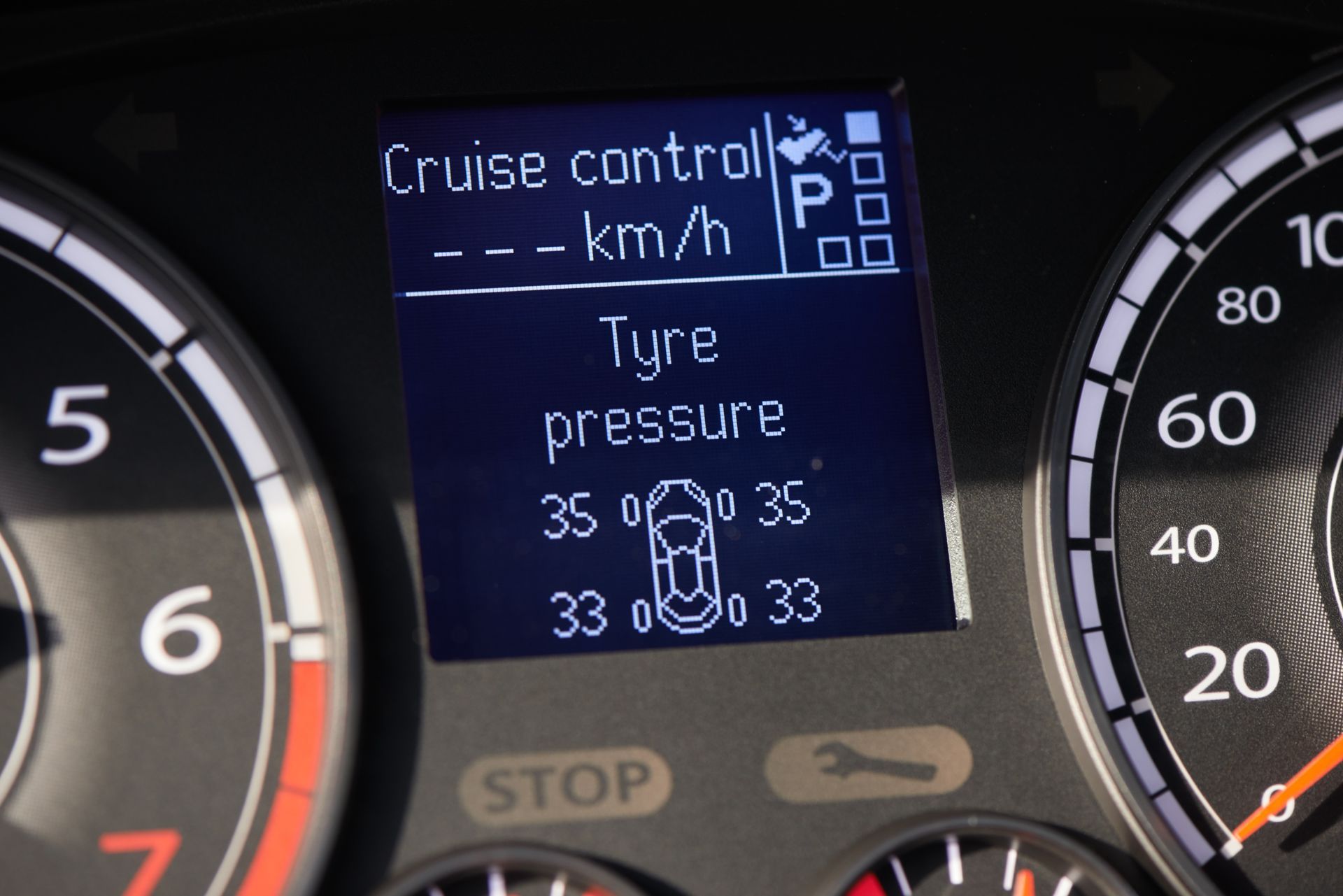
Higher drag means the powertrain and tires work harder. Set tire pressures to the door sticker’s loaded value before the trip and recheck after the first fuel stop. Underinflated tires add heat and scrub mpg quickly. If the steering wheel sits off center or the SUV follows grooves after you install a rack and gear, plan an alignment so toe and camber are on spec for highway stability. Fresh wiper blades and winter washer fluid are worth it too, since roof boxes can push spray onto the glass in crosswinds.
EVs and Modern Engines: What to Expect
Electric vehicles show the range hit instantly, because the trip computer tracks every watt. A roof box on an EV can trim a noticeable chunk from highway range, especially in cold weather. Hybrids and turbo gas engines react the same way, they simply downshift sooner or run the turbo harder to hold speed. There is nothing wrong with the vehicle; it is responding to drag. The fix is the same across powertrains: cleaner shapes, lower speeds, and racks removed when you are back in city mode.
Get Roof-Rack and Trip-Ready Service in Seattle with Rick’s Tire & Service
Planning a run over Snoqualmie or a coastal vacation with a full box? Visit our Seattle shop. We will set tire pressures for your load, check alignment, inspect the rack hardware, and make sure the SUV tracks straight and quiet with your gear onboard.
Schedule a visit and leave with safe mounting, better stability, and the best mpg your setup can deliver.