If you’ve driven the same route on two different tire sets, you’ve probably noticed it right away. One set hums on the highway and feels a little heavier to roll, while the other feels calmer and seems to stretch the battery farther.
That difference is not in your head.
What Makes EV Tires Different From Standard Tires
EV tires are built around three realities: more vehicle weight, instant torque, and a quieter powertrain that makes road noise stand out. Because of that, the construction and rubber compound are tuned to carry more load while wasting less energy as the tire flexes and rolls.
Standard tires can work on an EV, but they are not always optimized for how an EV drives. The result can be more road noise, faster wear, or slightly higher energy use that adds up over time.
Rolling Resistance Is The Biggest Range Lever
Every tire bends where it touches the road, and that bending creates heat. The more heat the tire generates, the more energy your car spends just to keep moving. EV-focused tires aim to reduce that rolling resistance so more battery energy goes to forward motion instead of being lost in tire flex.
This matters most on steady commuting and highway driving. A small efficiency difference per mile does not look dramatic on paper, but it shows up across weeks of driving as fewer charging stops and a more consistent range estimate.
Why EV Tires Can Be Noticeably Quieter
Road noise is mostly tire noise, and EVs do not cover it up with engine sound. EV tires often use tread patterns designed to break up the frequencies that create a steady hum, plus internal design choices that reduce vibration transfer into the suspension.
Some designs also include noise-reducing materials inside the tire. Here are a few features that commonly lower cabin noise when they are matched to the vehicle correctly:
- Tread blocks with varied spacing to avoid a constant tone
- Softer noise-damping layers inside the casing
- Foam liners that reduce air-cavity resonance in the tire
- Stronger sidewalls that limit flutter on coarse pavement
Quiet tires still need proper inflation and rotation. A great tire can get loud if it develops a wear pattern.
EV Weight Demands Stronger Tire Construction
Most EVs weigh more than similar gas vehicles, and that extra load sits on the tires all day. If the tire is not built for the correct load index, it flexes more, runs hotter, and wears faster on the shoulders. Heat is the enemy of tire life, and it also increases rolling resistance.
That is why the spec matters as much as the brand. Matching the exact size, load rating, and speed rating keeps the tire stable, keeps the steering feel consistent, and reduces the chance of premature wear.
Torque And Regen Change How Tread Wears
Instant torque can wear the drive tires faster, and regenerative braking adds steady deceleration load that shapes tread wear differently than a typical gas vehicle. If rotations are delayed, the wear becomes uneven, and uneven wear makes tires louder and less efficient. Once that pattern sets in, it rarely improves on its own.
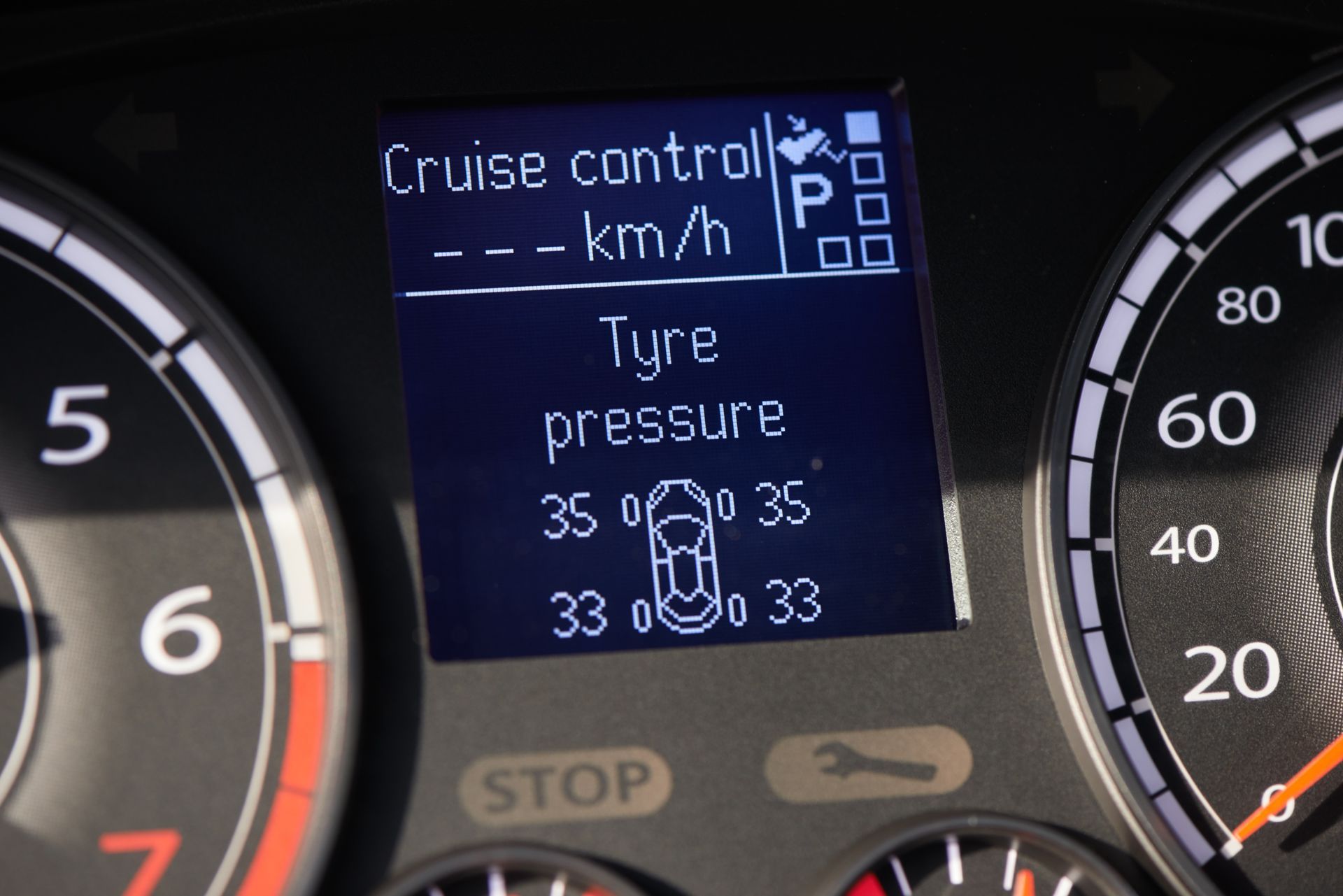
This is where regular maintenance pays off in a very practical way. Keeping pressures correct, rotating on schedule, and addressing alignment drift early helps EV tires stay quiet and efficient for more of their life.
When Standard Tires Are Fine And When They Are Not
If you drive gently, do mostly city miles, and your standard tires meet the correct load rating, you might not notice a huge difference at first. Some standard touring tires can feel good and stay reasonably quiet, especially on smoother roads. The downside is that many standard options are not built with EV-specific noise control or efficiency targets, so you may give up range and cabin comfort without realizing why.
If your EV is loud on the highway, feels less stable in heavy rain, or range has dropped more than expected after a tire change, tire selection becomes a priority. A quick inspection of wear patterns also tells you whether the tire choice is the issue or whether alignment and pressure habits are doing the damage.
Get EV Tire Service In Seattle, WA With Rick's Tire & Service
If you want quieter driving and better efficiency, the right next step is choosing tires with the correct load rating and low rolling resistance, then setting them up so they wear evenly.
Schedule service or book an inspection at Rick's Tire & Service in Seattle, WA, and we’ll help you pick the right EV-ready tire and keep it performing the way it should.
You’ll notice it on the next commute.