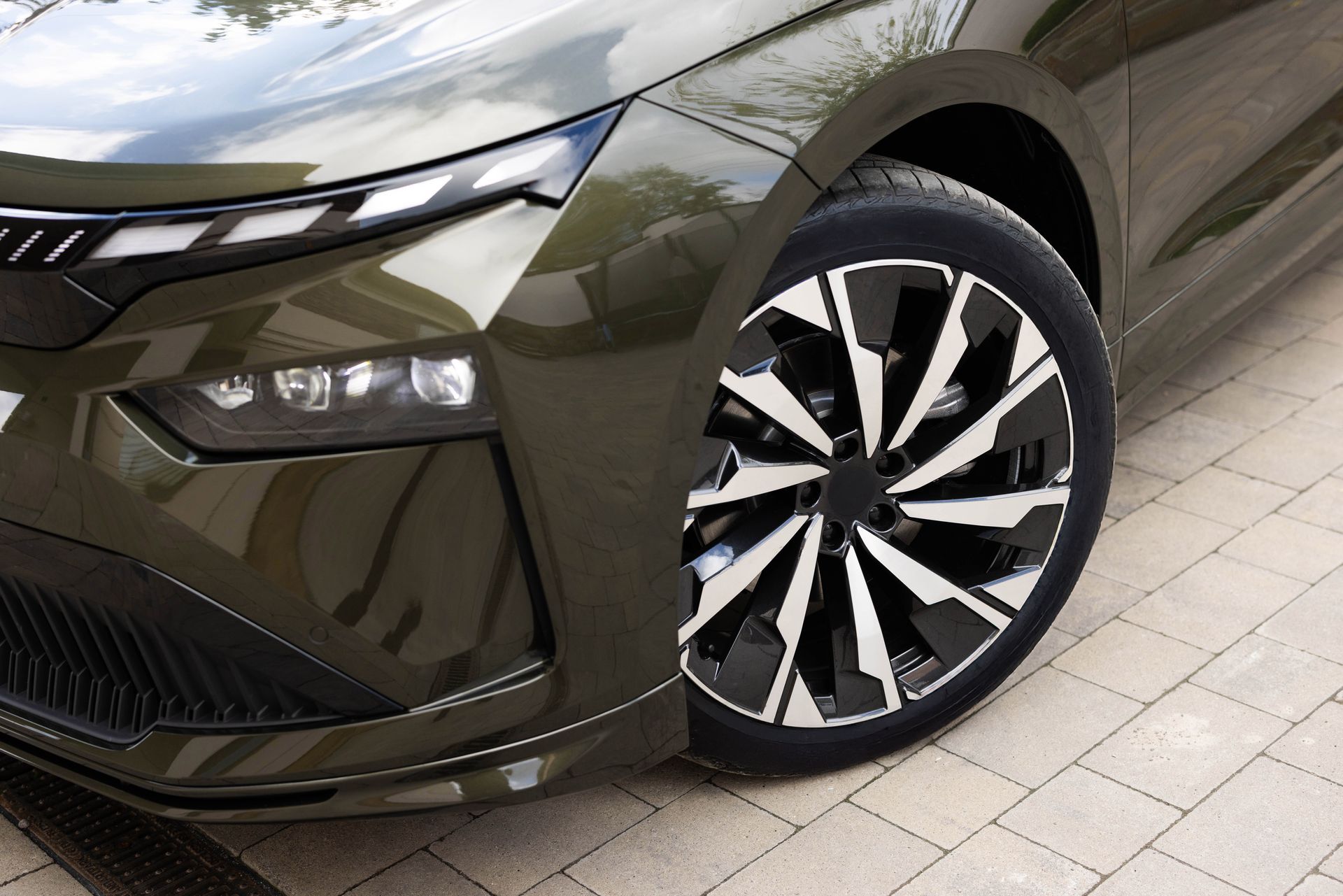
In Seattle, it’s hard to avoid moisture. That means rusty-looking brake rotors are something many drivers notice, especially after a rainy day or after a car sat overnight. You look through the wheel spokes and see orange film, then you wonder if you should be worried.
Sometimes you shouldn’t. Other times, rusty rotors are the first visible clue that the braking surfaces aren’t staying healthy. The difference comes down to how deep the rust is, how the brakes feel, and whether the rust is clearing the way it should.
Why Rust Shows Up On Rotors So Fast
Rotors are bare metal where the brake pads contact them. That surface cannot be painted or coated the way other parts of the car can. When moisture hits it and sits, oxidation starts quickly.
Condensation is a big culprit. Overnight temperature drops can leave a thin film of moisture on the rotor face. Add Seattle rain and damp air, and that film becomes a daily thing. The result is a light orange coating that can appear in hours.
When Rotor Rust Is Normal And Clears On Its Own
Light surface rust that wipes off after a few stops is usually not a problem. You may hear a short scrape, or the first stop might feel slightly rough. Then the pads scrub the rotor surface clean and braking returns to normal.
This is most common when the vehicle is driven daily. Normal braking keeps the rotor faces clean. You’ll still see rust on the rotor hat and edges, which is normal because pads do not contact those areas. That rust is mostly cosmetic.
If the rust is thin, evenly colored, and disappears quickly, it’s usually just the rotor doing what bare metal does.
When Rusty Rotors Become A Real Problem
Rust becomes an issue when it turns into pitting, scaling, or uneven braking surfaces. That tends to happen when a car sits for days or when the brakes are not applying evenly. The rotor surface starts to corrode in spots that the pads can’t clean well.
Once pitting starts, the pad cannot make consistent contact. That can lead to vibration, noise, and longer stopping distances. It can also accelerate pad wear, because the pad is now rubbing against a rougher surface.
We’ve seen plenty of rotors that looked mildly rusty, yet the braking felt fine. We’ve also seen rotors with rust so deep it's caused a pulsing pedal and an uneven bite. The feel tells you more than the color.
Signs The Rust Is More Than Cosmetic
The brake pedal and steering wheel usually tell the truth faster than your eyes do. If rust is affecting the braking surface, you often feel it.
Look for patterns like these:
- The brake pedal pulses, especially during moderate stops
- The steering wheel shakes when braking from higher speeds
- The noise does not fade after a few drives
- Braking feels grabby on the first stop and keeps feeling inconsistent
- The vehicle pulls slightly to one side when braking
If you see these signs, rust may not be the only issue. A sticking caliper, a seized slide pin, or uneven pad wear can create the same uneven contact that allows rust to build deeper in certain areas.
What Sitting Does To Rotors And Pads
Sitting is harder on the brakes than many people realize. When a vehicle sits, moisture stays on the rotor face. Pads can also trap moisture against the rotor where they rest. That creates a rust pattern that matches the pad shape, sometimes called pad imprinting.
If the vehicle sits for a long time, rust can build up along the edges of the rotor where the pads do not sweep fully. That creates a ridge that can interfere with the smooth braking feel. The longer it sits, the more likely the rust changes from a film to a texture.
If you have a vehicle that is driven only occasionally, brake inspections become more important. Brakes like movement.
Why Wet Weather Changes Brake Feel
Rain puts water on the braking surfaces. Brakes are designed to clear water quickly, but rusty or pitted rotors can make that clearing less consistent. The first stop after backing out in the rain may feel different than usual.
If the brake feel returns to normal within a few stops, that’s usually just moisture being cleared. If it stays inconsistent, the rotor surface may be rough enough that water and rust are affecting contact more seriously.
What Usually Fixes The Problem And What Usually Doesn’t
Light surface rust does not need a repair. It needs normal driving. If noise and feel normalize quickly, there’s nothing to chase.
If rotors are pitted or uneven, resurfacing is not always an option, depending on rotor thickness and condition. Many modern rotors are not designed with much extra material. In those cases, replacement is often the more reliable fix.
If rust is uneven because a caliper is sticking, replacing rotors alone will not solve it. The sticking component needs to be corrected, or the new rotors can develop the same uneven wear pattern quickly.
Get Brake Service in Seattle, WA, with Rick's Tire & Service
We can inspect your rotors, pads, and calipers to determine whether what you’re seeing is normal surface rust or a braking issue that needs repair. We’ll explain what’s going on, what’s safe to monitor, and what needs attention so your braking stays consistent in wet weather.
Call
Rick's Tire & Service in Seattle, WA, to schedule a brake inspection and get clear answers