A tire does not need a nail in it to start losing air. Plenty of drivers are surprised when the pressure warning light comes on, the tire looks low, and there is no obvious puncture anywhere in the tread. That usually leads to the same question: where is the air going if nothing actually pierced the tire?
In a lot of cases, the leak is coming from somewhere around the tire, not straight through it.
1. A Leaking Valve Stem
The valve stem is a very common source of slow air loss. Over time, the rubber can dry out, crack, or loosen where it seals to the wheel. The valve core inside the stem can fail too, which lets air escape in tiny amounts that are hard to notice from day to day.
This kind of leak is easy to miss because the tire may only lose a few pounds of pressure at a time. Then, after a week or two, the tire looks visibly low, and the problem feels like it came out of nowhere. A close inspection usually reveals whether the stem itself is worn or the valve core is no longer sealing properly.
2. Corrosion Around The Wheel Bead
The bead is the edge of the tire that seals tightly against the rim. If corrosion builds up on the wheel, especially on older wheels or in wet climates, that sealing surface becomes uneven. Once that happens, air starts slipping out between the tire and the wheel, even though the tire itself is still in decent shape.
This is especially common on vehicles that have seen a lot of road salt, moisture, or long-term wheel wear. The leak is usually slow, though it tends to come back again and again until the wheel surface is cleaned up and resealed. We see this often on tires that keep needing air even after the tread has been checked carefully.
3. Temperature Changes Lower The Pressure
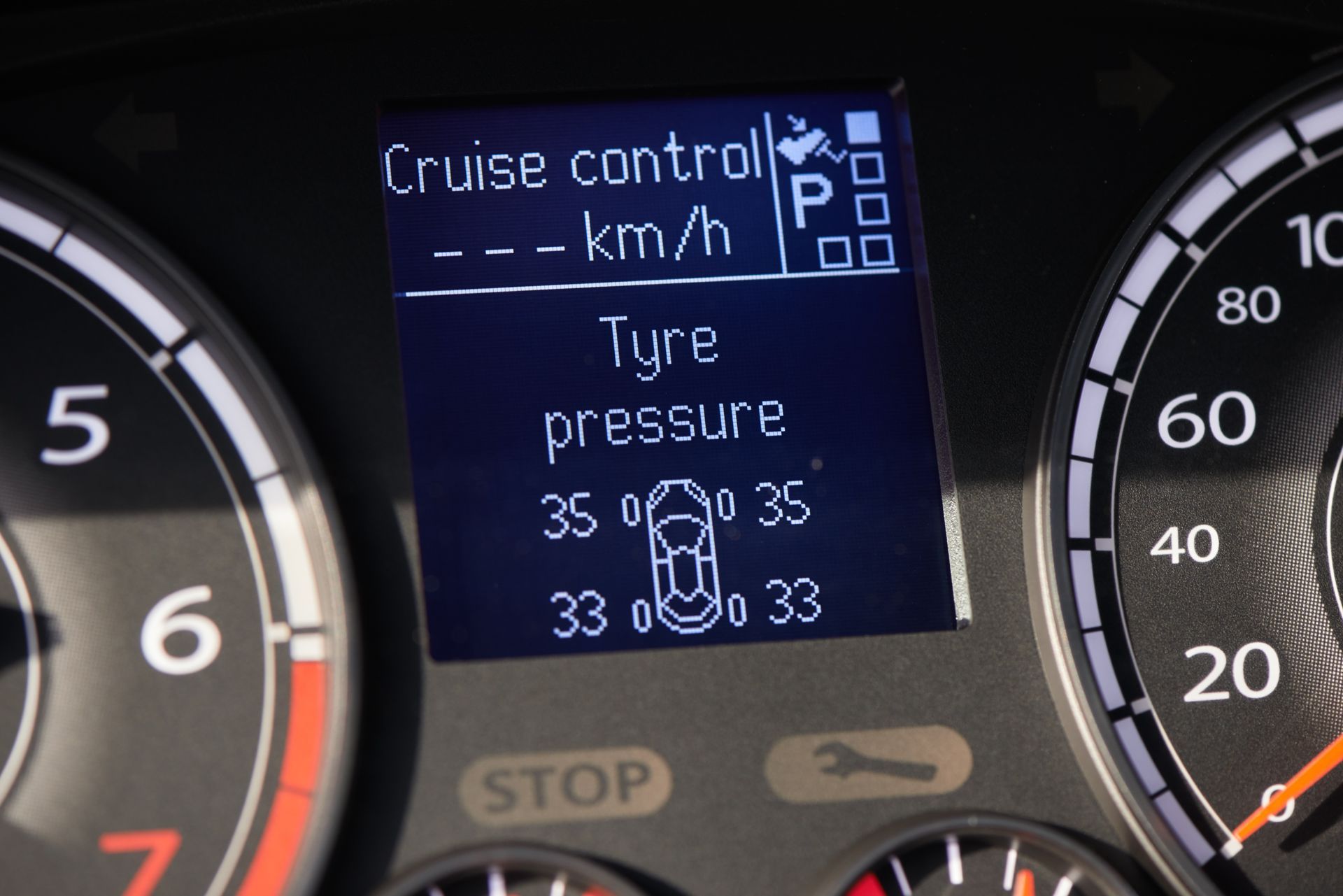
Not every pressure loss means there is a true leak. Tire pressure drops naturally when temperatures fall, and that change can be enough to trigger a warning light or make one tire look low compared to the others. A lot of drivers first notice it during colder mornings or weather swings between day and night.
That said, temperature alone usually affects all four tires in a similar way. If one tire keeps dropping much faster than the others, there is usually a leak somewhere that needs attention. During regular maintenance, checking pressure patterns across the whole set is one of the best ways to separate normal seasonal change from an actual problem.
4. A Bent Wheel Or Damaged Rim Edge
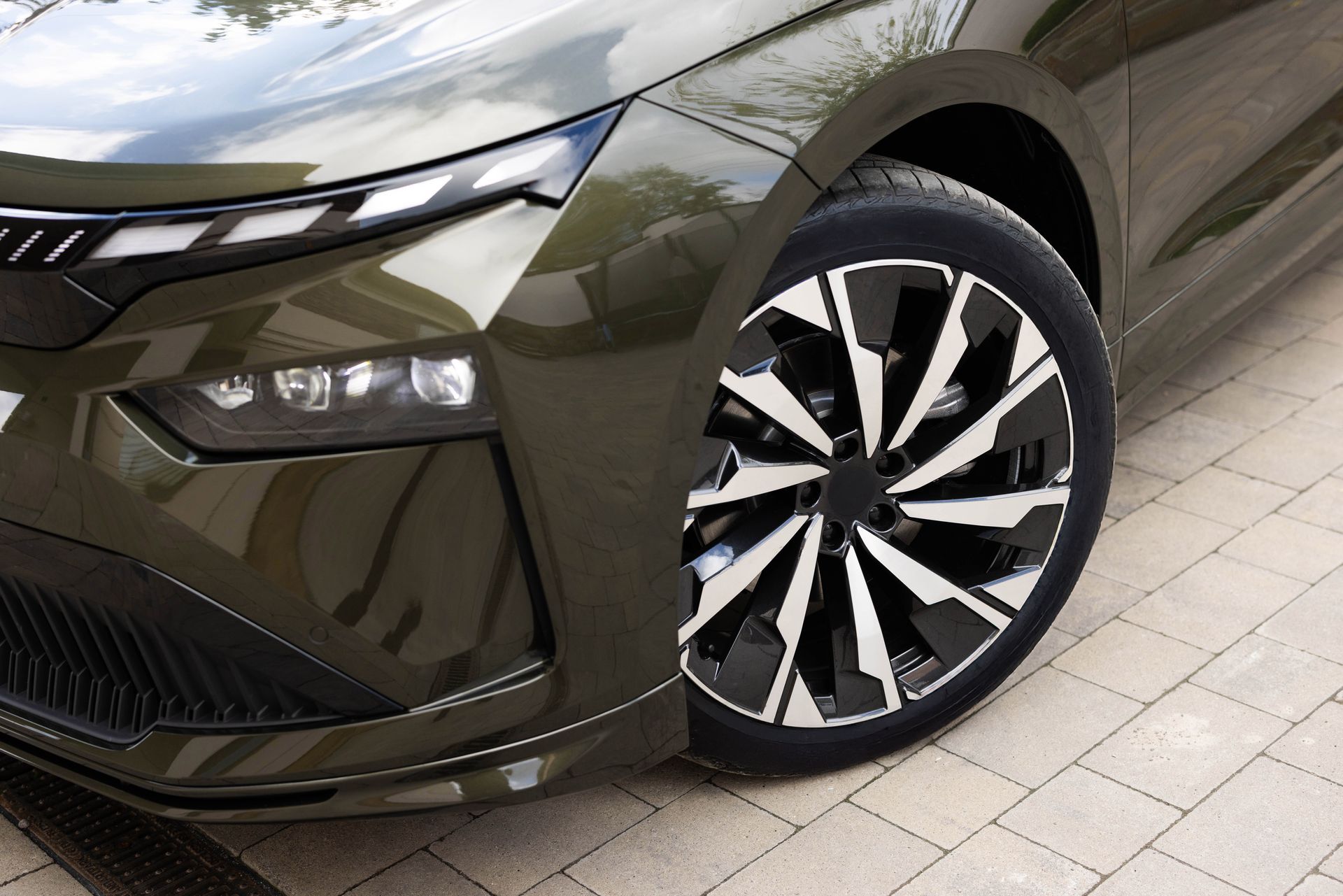
A wheel does not have to look badly damaged to cause an air leak. A pothole strike, curb impact, or rough road hit can put a small bend in the rim that changes how the tire seals. Even a slight distortion along the bead area is enough to let air escape slowly over time.
This kind of issue is frustrating because the tire itself may still be fine. The pressure keeps dropping, the tread looks normal, and the real problem sits in the wheel. If the air loss started after a sharp impact, the wheel should move much higher on the suspect list during an inspection.
5. Tire Age Or Bead Damage From Previous Service
Older tires can develop sealing problems even without a puncture. As the rubber ages, it hardens and becomes less flexible, especially around the bead area. If the tire has been mounted and removed several times, or if the bead was slightly damaged during a previous install, that sealing edge may no longer sit as cleanly as it should.
This is one reason slow leaks sometimes show up after a tire repair or replacement. The issue is not always the repair itself. Sometimes the tire was already aging, the wheel surface was imperfect, or the bead just did not reseal as cleanly as expected. A proper inspection will usually show whether the tire can be resealed or whether replacement makes more sense.
Why Slow Air Loss Should Not Be Ignored
Driving on a tire that keeps losing air creates more problems than most drivers expect. Low pressure changes handling, increases tread wear, raises heat inside the tire, and hurts fuel economy. Even a small leak becomes a bigger expense when it shortens the life of a tire that should have lasted much longer.
There is a safety side to this, too. A tire that keeps dropping below the correct pressure will not respond as well in braking, cornering, or highway driving. That is why it is better to find the source early instead of topping it off over and over and hoping the problem stays small.
Get Tire Services, Repair, and Replacement In Seattle, WA, With Rick's Tire & Service
If one of your tires keeps losing air without an obvious puncture, Rick's Tire & Service can find the source and recommend the right repair for your vehicle in Seattle, WA.
Bring it in before that slow leak turns into faster wear, weaker handling, or a tire that fails when you need it most.