When we think about our cars keeping us safe on the road, our minds usually drift toward the big, obvious safety systems. We think about thick brake pads clamping down on shiny rotors, advanced airbag systems tucked into the steering wheel, or new tire tread gripping the wet pavement during a sudden rainstorm.
But there is a tiny, hidden component buried deep inside your wheel assembly that plays an incredibly vital role. Without it, your wheels could not physically spin, and your car could not move down the street.
That component is the wheel hub bearing. We treat wheel bearings with an immense amount of respect. They are marvels of mechanical engineering, carrying the entire weight of your multi-ton vehicle while spinning thousands of times per minute. Because they live completely out of sight, most drivers have no idea they exist until they begin to fail. Today, we want to explain exactly what a wheel hub bearing does, look at the common warning signs of failure, and discuss why delaying this repair is one of the most dangerous driving gambles you can make.
What Exactly Is a Wheel Hub Bearing?
To picture a wheel bearing, imagine a small, heavy metal donut filled with a row of perfectly polished steel balls or rollers. This metal ring is packed with thick, high-temperature waterproof grease and sealed tightly to keep out dirt, road salt, and moisture.
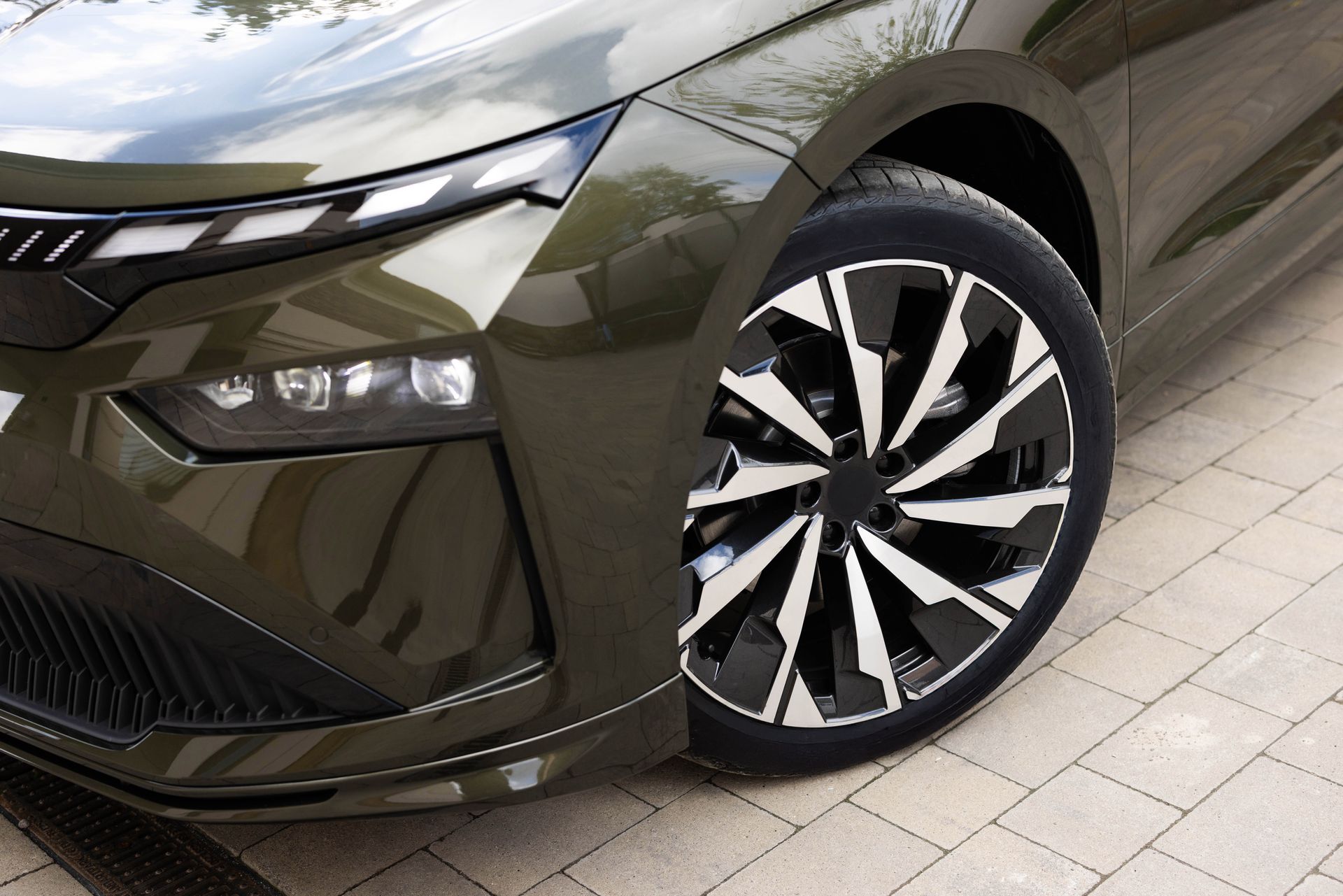
The wheel hub bearing lives right at the center of each wheel hub, serving as the critical bridge between the stationary suspension of your car and the rapidly spinning wheel.
The bearing has two primary responsibilities. First, it must provide a virtually frictionless surface so your wheel can spin effortlessly at highway speeds. Second, it has to physically support the massive structural weight of the vehicle during sharp turns, heavy braking, and rough bumps. It is a brutal, high-stress job, and the fact that most factory bearings last well over 100,000 miles is a testament to how well they are manufactured.
How to Tell When a Bearing Is Dying
While wheel bearings are incredibly tough, they are not immortal. Deep potholes, hitting a curb, driving through deep floodwaters, or simple old age can cause the internal grease seal to rip. Once moisture and dirt get inside, the polished steel balls begin to pit, rust, and grind against each other. When a wheel bearing starts to fail, it will drop a few very distinct hints to catch your attention:
The Helicopter Hum: The absolute classic symptom of a bad wheel bearing is a low, dull humming, growling, or roaring noise that originates from the corner of the vehicle. This noise changes pitch directly with your vehicle's speed. It might sound like a quiet drone at thirty miles per hour, but it will transform into a loud helicopter-like roar once you reach highway speeds.
The Sinuous Sound Shift: If you are unsure whether a noise is coming from your tires or a bearing, pay attention to what happens when you steer. When you gently sway your vehicle to change lanes, the shifting weight puts extra load on the failing bearing. If you veer to the left and the roaring noise suddenly gets much louder, the right side bearing is likely failing.
Steering Wheel Play: As the internal steel balls grind away, the bearing develops physical slop or play. You will feel this through your steering wheel as a vague, loose, or wandering sensation, meaning you have to constantly make minor corrections just to keep the vehicle tracking straight.
What Happens If You Ignore a Failing Bearing?
Because a bad wheel bearing usually starts out as a faint noise, many drivers choose to turn up the radio and ignore the sound for a few weeks. This is an incredibly dangerous mistake.
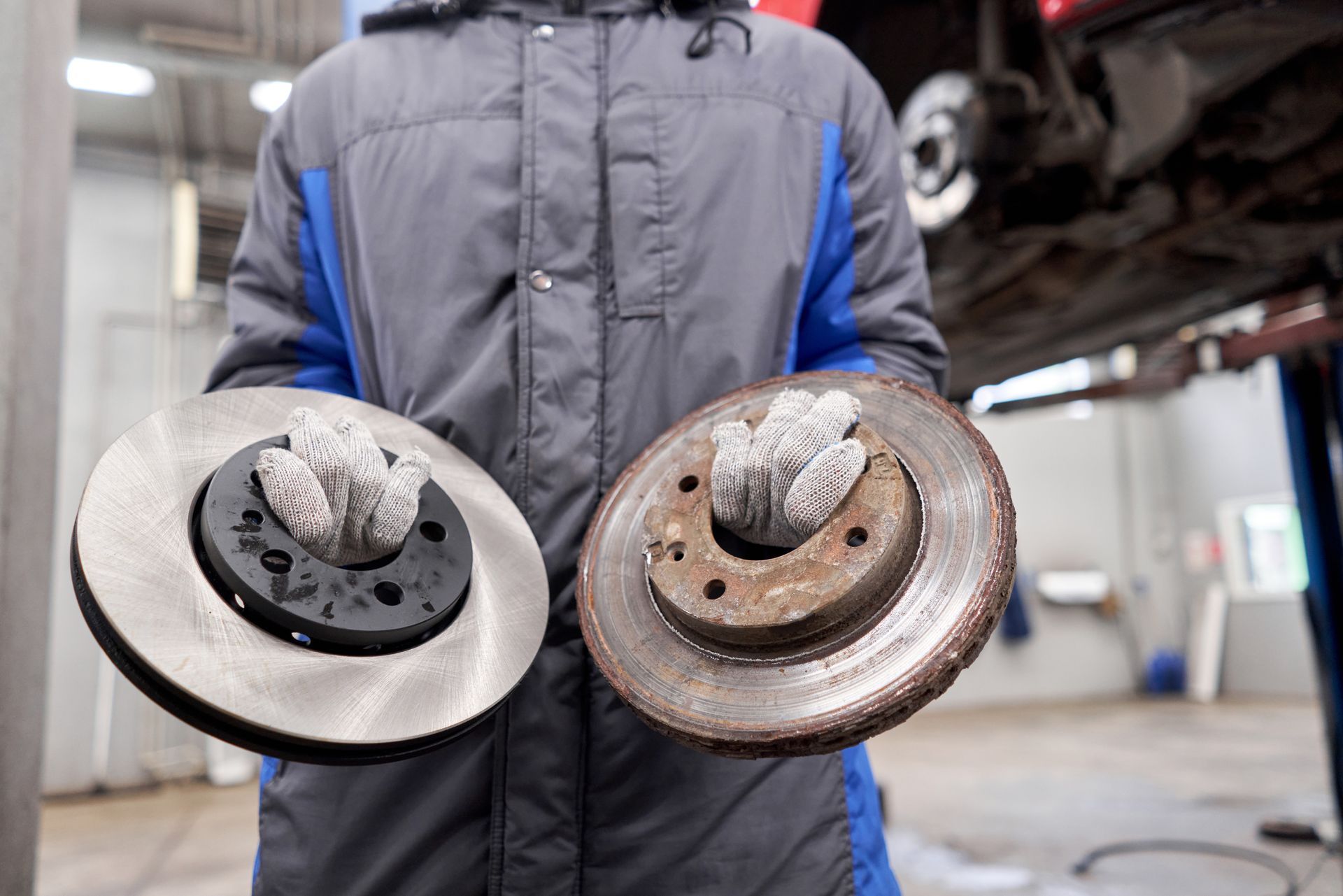
When a bearing loses its lubrication and begins to grind metal-on-metal, it creates an immense amount of localized friction and heat. That heat can quickly migrate to your braking system, melting plastic sensors and boiling your hydraulic brake fluid, which can cause sudden brake failure.
In a worst-case scenario, if you keep driving on a completely degraded bearing at highway speeds, the intense heat will eventually weld the internal components together or cause the metal structure to snap entirely. When this happens, the entire wheel, tire, and brake rotor assembly can physically shear off the vehicle while you are driving.
Let Our Team Restore Your Quiet Ride
Replacing a wheel hub bearing is a precision job that requires specialized hydraulic presses and electronic diagnostic tools to ensure the new assembly is perfectly pressed and torqued to factory specifications.
Hearing a strange humming or growling noise that seems to get louder the faster you drive? Do not take chances with your wheel assembly, and take your vehicle to
Rick's Tire & Service in Seattle, WA for service.